


The art of developing concepts using textual and visual components is known as graphic design. It is the process of communicating the narrative behind a campaign or product through visual content.
Either physically or digitally. Graphic designers are entrusted with using visuals to express stories. Whether it’s via company logos, highway billboards, or the featured image in an article.
The goal of graphic design tips is to convey complicated ideas and data understandably. Newbies can just turn the page or click to go somewhere with such basics.
Because there is so much competition for their attention. A skilled designer draws visitors in. It keeps them there long enough to allow them to reflect on the product or service being portrayed.
A thorough understanding of design principles is essential for designers. This includes color theory, layout, typography, and visual hierarchy. To create a picture for the target audience. They invest a lot of time in creative applications utilizing various tools and strategies.
Hierarchy
The most crucial elements of your sketch should be the most dominant in appearance. Especially when creating an image with copy. To do this, use color or scale to highlight the parts of the concept. The ones that you want people to notice first.
Fonts
Typography is difficult. Selecting the appropriate font is more difficult than one may imagine. Know that different fonts generate different emotions and moods.
A well-chosen typeface can make the difference. Especially between an individual reading your message quickly and someone ignoring it.
While readability is crucial, context is even more so. Make sure your font choice complements and evokes the event or mood of your drawing.
Use well-considered and creative font pairings. This is to guide readers through and concentrate the space of the page you created.
Negative space should be left.
There are areas of your page that you decide to leave empty. These are equally as significant as those that you fill with text, graphics, and colors.
White space, sometimes referred to as negative space. Go to https://design4users.com/negative-space-in-design/ for added info.
Form shapes that can be used to draw attention to the most crucial elements in your site. It facilitates processing intention with ease and clarity. This is achieved by providing your sketch with some spatial breathing room.
Consistency
You can create a brilliant perceptual familiarity that can halt a visitor in their tracks. This is achieved by tying your sketch together. Use repeating colors, fonts, text, or shapes.
Additionally, it helps folks retain what you’re saying. To strengthen your company’s appeal. Use consistency in your overall visual sketch. This is achieved by utilizing consistent typefaces, colors, and brand imagery.
Color
When it comes to visual art. Color mixing can be done in both CMYK and RGB formats. For digital work, RGB works best, whereas CMYK works better for print tasks.
RGB are the primary colors that can be combined in different amounts to generate desired colors. White is the outcome of combining all three hues. Black is the outcome of combining all three colors to the least extent possible.
The four hues of cyan, magenta, yellow, and black, or CMYK is a subtractive color mode. This is used to produce the desired printing colors. The more shades you add, the deeper the final color will be.
This means that each color eliminates more light. Combine CMY to form a dark brown rather than black. The last hue, K (black), is added to the printed image. This is to fully eliminate light. It will create what the human eye interprets as dark.
Message
It’s been said that the medium is the message. This means that the purpose of this visual is just as significant as the message it seeks to convey.
Make sure your arts are always appropriate for the platforms and media it will appear on. Particularly, billboards as well as social media posts.
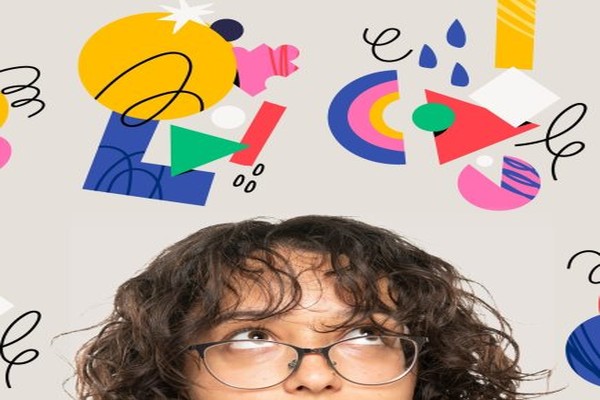
Enter the mood board.
A brainstorming technique for showcasing a vision for nearly anything creative is a mood board. Using reference photos and outside inspiration. You construct a collage that encapsulates the essence of the mood. As well as the feeling or reality you wish to create.
To help you properly identify and express your art ideas. Make a mood board to graphically map your imagination – click this to learn more.
Consistency
If you want to create work that people recognize and remember. Especially when it comes to campaigns and branding. You must be consistent with your drawings unless you’re working on a one-off project.
A style guide serves as a set of guidelines for all aspects of your associated illustrations. This includes which typefaces to use and how different color schemes fit with logo treatments.
Whether you’re setting up a business card, a social media image, or a full multimedia ad campaign. Creating one guarantees that your creation is consistent in tone. The appearance of many graphic design items for a campaign or company.
Utilize Templates
There is no need to begin from scratch on every new project. Or recreate the wheel every time you make a new representation.
There are thousands of original, expertly created, fully configurable templates online. These are available for free in various applications. Thus, use them to enhance your portrayal skills.

