

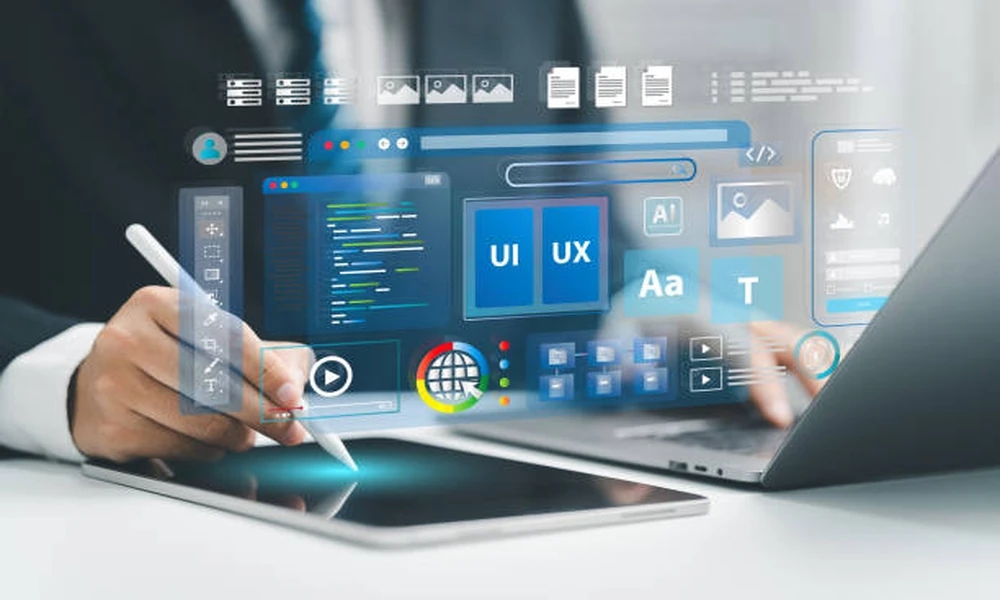
Website production is changing at its foundations, and four shifts explain the whole movement. ai digital design agency are replacing sequential handoffs with parallel workstreams, manual drafting with generated starting points, closing phase testing with continuous inspection, and static delivery with living systems. Each shift below describes what ran before, what runs now, and what the change means for the websites being built.
Sequential work turns parallel
Sequential work turning parallel means copy, layout, and imagery no longer wait for each other. Production once moved like a relay, with copy waiting for structure, design waiting for copy, and build waiting for design. Every handoff added days, and a delay in one stage pushed everything behind it. Parallel workstreams replaced the relay, and the new order follows a fixed pattern.
- Tagged tasks split every brief into copy, layout, and imagery streams.
- All three streams progress at the same time on shared boards.
- Automation flags conflicts the moment two streams touch one element.
- Structure changes update affected tasks instantly across every stream.
Drafting becomes generating
Drafting becomes generating means designers begin with selection instead of a blank canvas. Manual drafting once consumed the early weeks of every build, with each direction produced by hand from nothing. Generated starting points removed those that cost completely, and the change reaches every asset type. Volume stopped stretching schedules under this shift, which changed what a single team can deliver inside one engagement.
- Layout directions arrive in dozens from the confirmed brief within days.
- Banners and graphics are generated in batches against approved rules.
- Component variations appear ready for review rather than production.
- Designers filter and refine instead of producing each piece.
Testing runs continuously
Testing running continuously means every page gets checked the day it enters production instead of waiting for a closing phase. Closing phase testing once left issues hidden until the most expensive moment to fix them, and continuous inspection reversed that timing completely.
with flagged items returning to their owner immediately. Corrections now happen while pages remain cheap to change, and launch dates stopped slipping over late discoveries. A build reaches its final week, already proven page by page, and the closing walkthrough confirms rather than uncovers.
Delivery becomes living
Delivery becoming living means the website stays maintained and monitored instead of drifting after handover. Handover once ended the relationship, leaving sites to decay as content changed and standards faded. Living delivery replaced that ending with monitoring that watches loading behaviour, accessibility compliance, and visual consistency from the first live hour. New content inherits the original rules automatically, and flagged drift routes to designers within agreed-upon windows. Websites now age without decaying, holding their launch discipline years into service.
Production rebuilt around these four shifts looks permanent rather than experimental. Parallel streams removed the waiting, generation removed the blank canvas, continuous inspection removed the late surprises, and living delivery removed the slow decay. Clients planning a build today can ask any studio which of these shifts already run inside its process, and the answers show quickly how far that studio has moved with the change.


