

Key Points:
- Equipment access should be planned before project closeout, not after problems appear.
- Antennas, splitters, power supplies, and test points should remain reasonably reachable.
- Poor ceiling access can turn simple service work into expensive disruption.
- Clear working space helps technicians inspect and troubleshoot equipment more efficiently.
- Accurate labels and closeout records make future maintenance much easier to manage.
- Occupied properties need practical access to reduce closures and after-hours service work.
- Building changes can slowly block access to important DAS components over time.
- Periodic access reviews can prevent avoidable maintenance problems before service is needed.
Once a DAS project is complete, most attention naturally shifts to coverage, testing, and final handover. Equipment access is easier to overlook. That can become a problem months later when technicians need to inspect an antenna, trace a cable, test a splitter, or reach equipment hidden above a finished ceiling. A system may perform perfectly on day one, yet poor access can make even a simple service visit expensive and disruptive.
Commercial buildings rarely stay exactly as they were at closeout. Tenants move in, ceilings change, storage appears in equipment rooms, and access panels sometimes disappear behind new finishes. What was easy to reach during construction may become difficult once normal building use begins. Thinking about service access before handover gives property teams more control later. It can shorten troubleshooting, reduce unnecessary demolition, and make future testing far easier to schedule around an occupied building.
DAS Companies Should Plan Equipment Access Early
Reliable DAS installation companies should think beyond whether the equipment works at the end of the project. They should also consider whether technicians can reach important components later without disturbing finished areas. Antennas, splitters, cable connections, power supplies, and head-end equipment may all need inspection at some point. A technically correct location can still be a poor long-term choice if every service visit requires ceiling removal, special lifts, or access through an occupied executive office.
Small layout decisions can make a big difference. An access panel placed a few feet from a connection point may save hours during future testing. The same applies to equipment cabinets that have enough working space around them. These details are easy to address while construction is still active. After closeout, the same change may involve contractors, permits, after-hours work, and disruption to tenants who had nothing to do with the original wireless project.
Ceiling Access Can Become a Hidden Problem
Ceiling spaces often look open and easy to work in during construction. Once the building is finished, the situation can change quickly. Decorative ceilings, lighting features, ductwork, security devices, and tenant improvements may block the route technicians originally used. An antenna connection that took five minutes to reach during installation could require a lift and a closed work area later. That difference directly affects service cost and the amount of disruption involved.
Property teams should therefore review access before ceiling work is fully closed. The goal is not to create access panels everywhere. It is to identify the places most likely to need future inspection and keep those areas practical. For example, a connection above a busy reception desk may be better moved slightly during construction. That small decision can prevent technicians from closing the lobby or scheduling overnight work just to reach one component years later.
Installation Layouts Should Consider Future Service
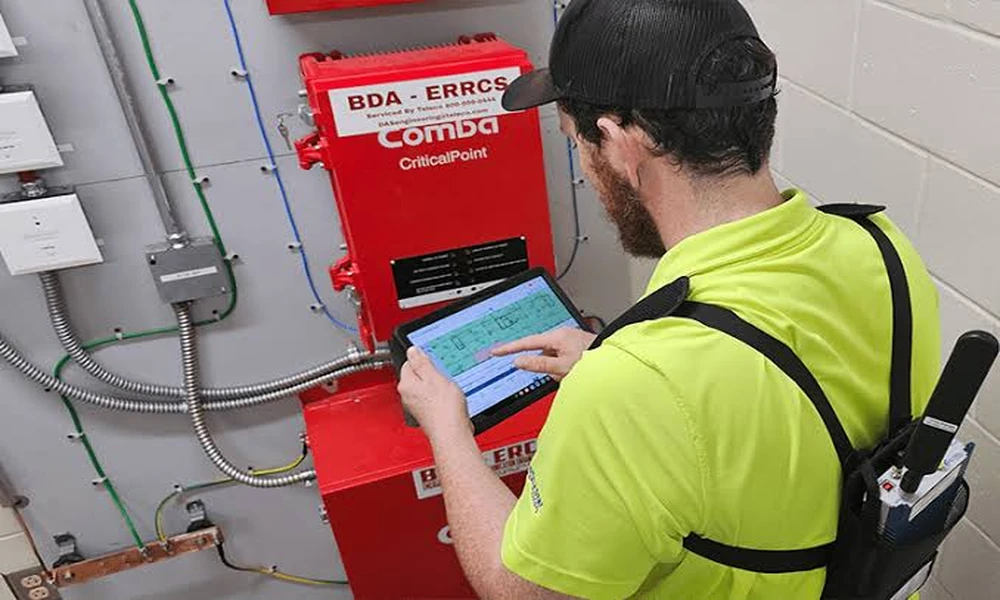
A well-planned DAS installation should leave technicians enough room to inspect, test, and replace components without working around permanent obstacles. Equipment squeezed into a crowded telecom room may technically fit, but that does not mean it can be serviced comfortably later. Clear working space, sensible mounting height, and organized connections all matter. They allow technicians to understand the system quickly instead of spending the first part of a service call moving stored items or tracing poorly arranged cables.
Future building teams may also be unfamiliar with the original project. The technician who returns two years later may not be the person who installed the system. That makes clear access even more important. A well-organized equipment area gives the next team useful clues before they even open the drawings. Labels are visible, components can be reached safely, and test points are not buried behind unrelated building systems that were added after the original work was finished.
Service Access Affects Troubleshooting Speed
Experienced DAS installation companies understand that troubleshooting is much faster when technicians can reach the right components without delay. A coverage complaint may require checking several points before the real cause becomes clear. If every connector or splitter is difficult to access, a short diagnostic visit can stretch into several hours. Good access allows the team to test one section at a time and rule out possible causes without opening large parts of the building.
That becomes especially important in occupied properties. Hospitals, hotels, offices, warehouses, and mixed-use sites may have strict rules about where and when technicians can work. A difficult equipment location can turn a minor issue into a scheduling problem involving security staff, tenant approval, or temporary closures. Practical access does not eliminate every challenge, but it gives service teams more options and reduces the chance that maintenance will interfere with normal building operations.
Installation Records Should Match Physical Access
A second DAS installation priority is making sure the closeout records match what technicians will actually find on-site. Drawings should show antenna positions, equipment locations, cable paths, and useful access points clearly enough for another team to follow. If a component is above a ceiling, the records should help the technician find it without searching several rooms. Accurate documentation saves time, but it works best when the physical installation is also organized and reachable.
Labels matter for the same reason. A technician should be able to identify a cable or component without disconnecting several working connections to find the right one. Clear naming on patching, splitters, racks, and related equipment makes future work much safer. It also helps property teams keep records current after renovations. When documentation and physical labels match, service becomes far less dependent on someone remembering how the original project was built.
Building Changes Should Not Block Critical Access
Access can slowly disappear after handover if property teams are not aware of important service areas. An equipment room may become storage space. A tenant may build cabinetry under a ceiling access point. New ductwork or security equipment may occupy the only practical route to an antenna. None of these changes are unusual, but they can make later maintenance much harder. Marking critical access areas helps facility teams avoid blocking them during future building work.
Periodic reviews can catch these issues before a service call exposes them. A quick visual check during other maintenance visits may show that equipment has become crowded or that an access panel is no longer clear. Fixing that early is usually simple. Waiting until a coverage problem occurs is different. Then the property team is trying to restore service while also solving an access problem that could have been prevented with a small amount of planning.
Conclusion
Equipment access may seem like a minor detail when a DAS project is close to completion, but it has a long-term effect on service, testing, and maintenance. Reachable components, clear working space, accurate records, and sensible ceiling access can make future work much faster. Property teams that review these details before handover are less likely to face unnecessary demolition, difficult service visits, or expensive after-hours work when the system eventually needs attention.
CMC Communications supports commercial properties with DAS design, installation, testing, and related wireless infrastructure services. Their team can review equipment locations, cable routes, service access, testing points, and closeout records before the project is finished. This broader approach helps property teams think beyond initial performance and consider how the system will actually be maintained later. Better access can reduce troubleshooting time, simplify future adjustments, and make ongoing system support much easier to manage.
Frequently Asked Questions
Question: Why does equipment access matter after a DAS project is finished?
Answer: Technicians may need to inspect antennas, cables, splitters, power supplies, or other components later. Easy access allows them to test and repair the system without opening large finished areas or interrupting normal building activity.
Question: Which DAS components should remain easy to reach?
Answer: Important antennas, splitters, connection points, equipment racks, power supplies, and testing locations should remain reasonably accessible. The exact requirements depend on the building layout and the way the system has been designed.
Question: Can ceiling changes create service problems later?
Answer: Yes. New lighting, ductwork, decorative ceilings, or tenant improvements can block access to existing equipment. The system may still operate normally, but future testing or repairs can become more difficult and expensive.
Question: Why are labels important for future DAS maintenance?
Answer: Clear labels help technicians identify the correct cables and components without disturbing working connections. They also make closeout drawings easier to follow and reduce the time spent tracing the system during troubleshooting.
Question: Should equipment access be reviewed after building renovations?
Answer: Yes. Renovations can block access panels, crowd equipment rooms, or change ceiling routes. A quick review after major building work can confirm that technicians can still reach the components they may need to inspect or service later.